
Results from real campus operations
These are projects I led or helped lead as a campus grounds manager. They’re the same kind of work I now bring to other institutions. Beautiful, accessible grounds are the starting point, not the finish line. These projects aimed for landscapes that function better as ecosystems every year.
UC Berkeley: Organic turf management, 22% less irrigation
Role: Recreational Sports Department Grounds Manager (2008–2018); project author and lead
Challenge: Keep heavily used recreational turf performing and looking good without depending on synthetic inputs.
What we did: In 2013 I wrote the grant for an organic turf research project and carried it out, focusing on soil biology over synthetic fertility.
Result: Two years of detailed monitoring showed a 22% reduction in irrigation use, along with improved texture, density, color, uniformity, traffic tolerance, and shear strength.
UC Berkeley: From degraded lot to one-acre food forest
What we did: Designed and converted an unused, degraded landscape into a one-acre food forest. Also designed and installed an educational sensory garden for summer youth camps, and started the “Plant a Tree for UC” volunteer event, which planted hundreds of trees.
Recognition: 2015 Chancellor’s Outstanding Staff Award for sustainability initiatives and the food forest conversion.
Hampshire College: 815 acres, Platinum certified
Role: Led grounds and land management at Hampshire College (2022–2026)
Scope: All 815 acres of campus, including formal gardens, lawns, forests, snow response, tree risk assessment, and hardscapes, with accessibility and ADA compliance throughout.
What we did: Managed the campus organically starting in 2022, with habitat restoration, native plantings, and soil-health practices.
Result: Re:wild Your Campus Green Grounds Certification at the Platinum level, the top tier. Re:wild’s directory notes all 815 acres are managed without synthetic pesticides or fertilizers, and many acres of wildflower meadows and native habitat have been established. Hampshire’s soil-based program was also one of the two campus case studies in the AASHE 2026 session Lessons From the Ground.
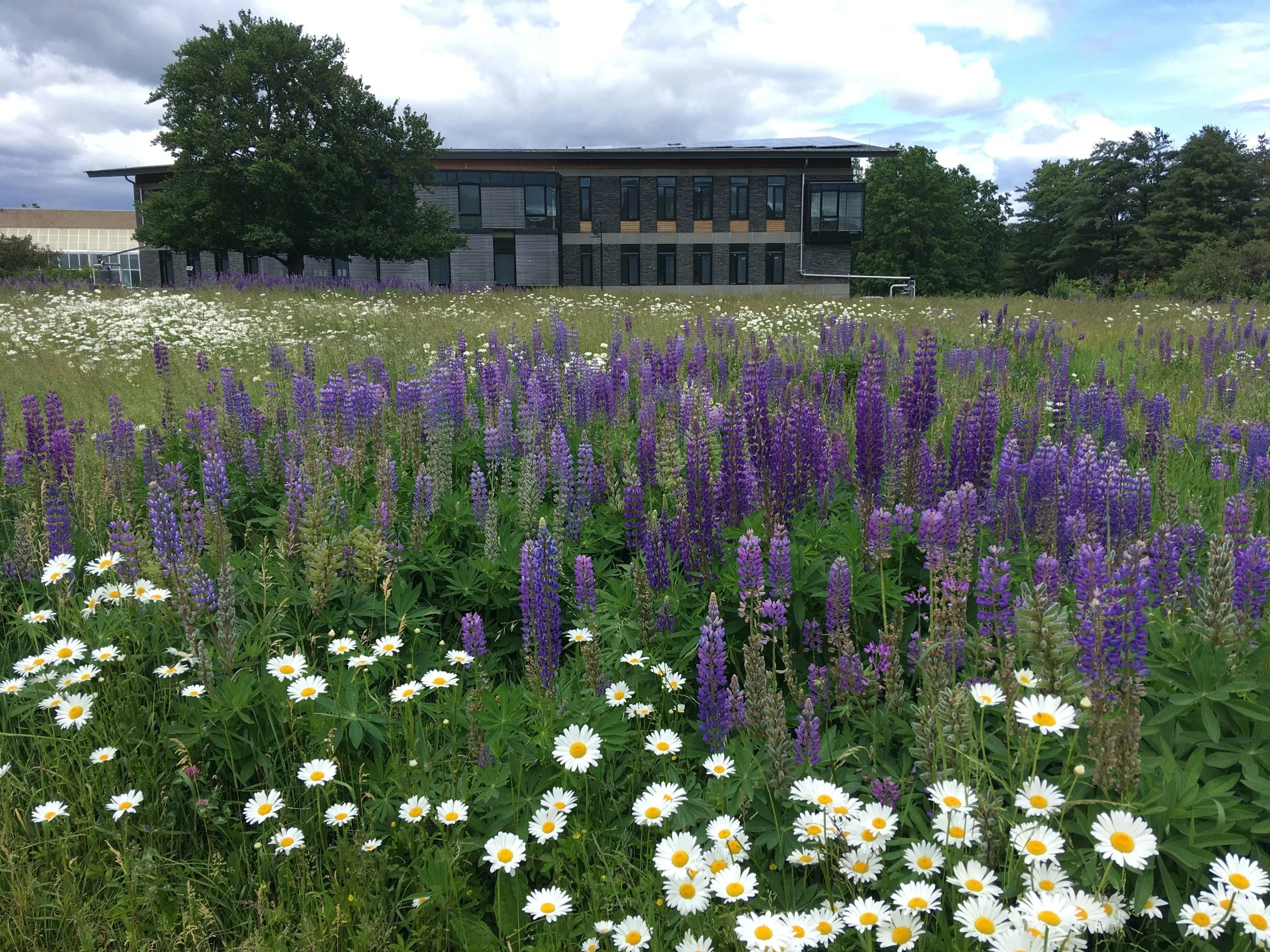
Meadows managed by James, Western Massachusetts
Hampshire College: Massachusetts Healthy Soils Challenge Grant (2024)
Role: Grant author and project lead
What we did: Wrote and won a 2024 Massachusetts Healthy Soils Action Plan Challenge Grant to research best practices for managing turf lawns to maximize carbon sequestration.
Why it matters: Lawns are a large share of most campuses. Managed well, they can work for the climate instead of against it.
Sharing the work
AASHE 2026 Conference & Expo: Presentations
Soil Biology: The Reason Why We Are Here
Your IPM Program Is a Roadmap for Managing Your Campus Organically
CHES 2019 Conference: subject expert and moderator, Herbicide-Free Organic Landscape panel
Guest lecturer: UC Berkeley College of Natural Resources, Hampshire College, Merritt College
Want results like these on your campus?
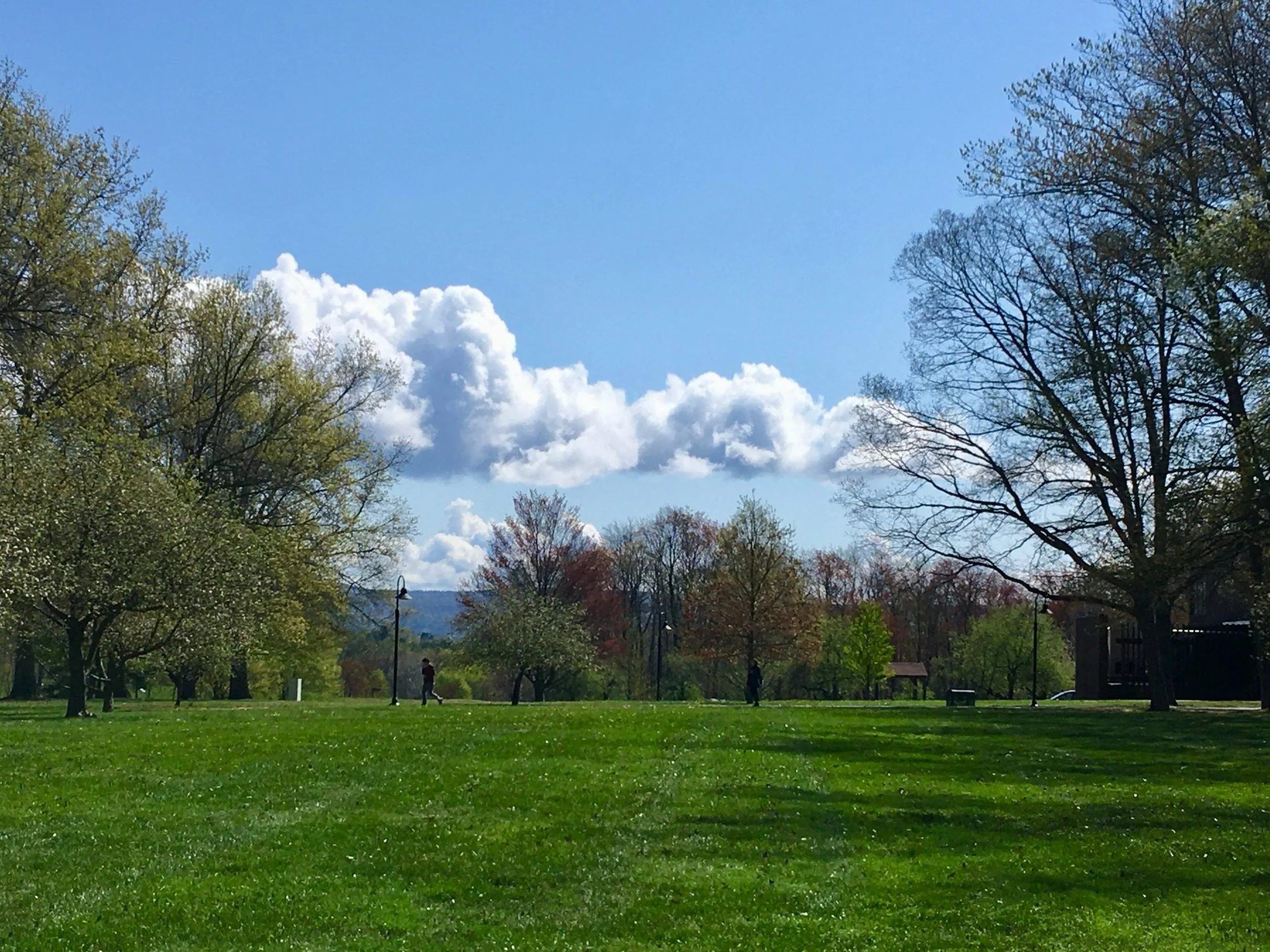
Hampshire College lawn, managed organically by James